Leaving home for a period of time should not mean leaving behind the routines, relationships, and sense of continuity that make daily life feel familiar.
For many households, travel has long been part of life’s natural rhythm. Seasonal residences, visits with family, cultural excursions, and time spent in familiar destinations often mark the passing of the year.
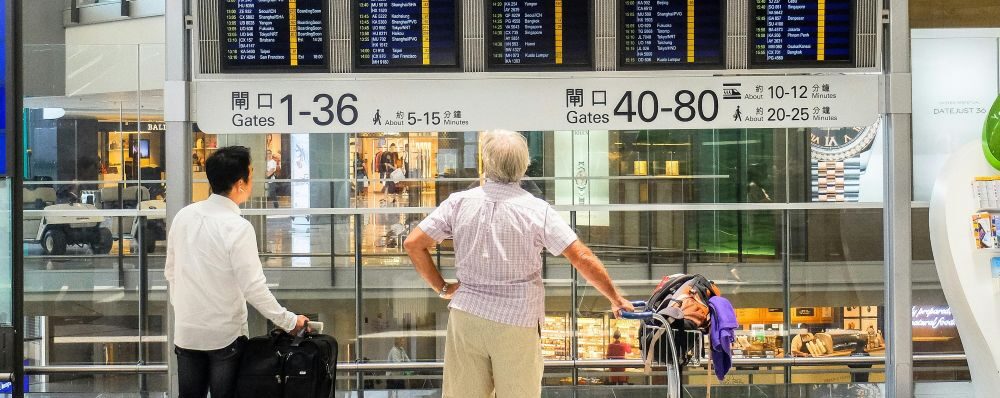
Yet over time, travel can begin to feel different. The logistics become more involved. Small details that once happened instinctively require more thought and coordination.
The destination may remain the same, but the preparation surrounding it begins to carry greater weight.
This is often the moment when thoughtful coordination becomes valuable.
Continuity Beyond the Front Door
When households travel, what they are often hoping to preserve is not simply the trip itself, but the continuity of life while away from home. Familiar routines matter.
Meals prepared according to preference. Access to trusted wellness providers. A residence that feels comfortable upon arrival. Even the simple assurance that someone understands the rhythms of the household and can anticipate needs before they arise.
Research from the Global Coalition on Aging and the Transamerica Institute has consistently shown that maintaining familiar routines and environments contributes significantly to wellbeing and independence as people grow older.¹
Travel, when thoughtfully coordinated, can support that continuity rather than disrupt it. The difference often lies in preparation.
Preparation as Stewardship
Behind every smooth journey is a quiet amount of planning.
Flights and transportation must align with personal schedules and physical comfort. Residences at the destination may need preparation before arrival. Medical or wellness services may need to continue seamlessly while away from home.
Often, the details extend further than most people realize:
- ensuring records are available when needed
- arranging transportation that accommodates mobility preferences
- confirming dietary considerations in advance
- preparing a residence so it feels immediately comfortable upon arrival
None of these tasks are particularly visible. Yet each one contributes to a sense that life continues smoothly even while traveling.
When handled thoughtfully, travel becomes an extension of everyday living rather than a disruption to it.
Familiar Destinations, Trusted Relationships
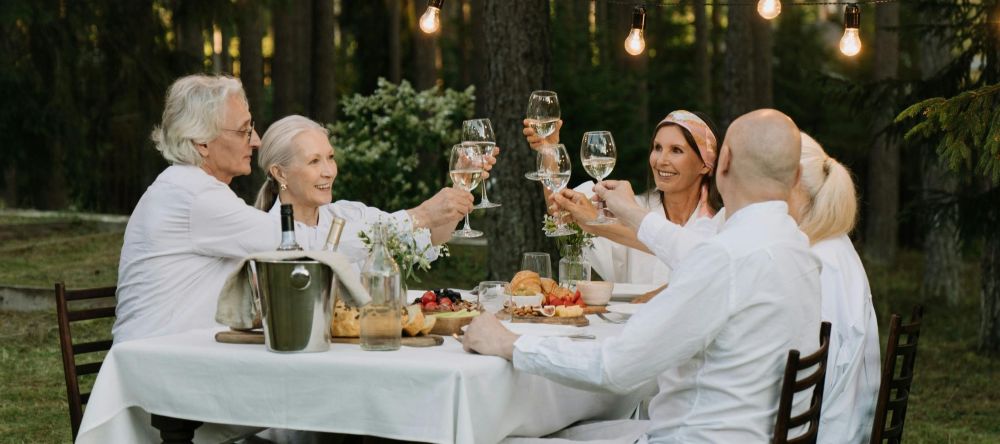
Many households return to the same destinations year after year. A winter residence. A favorite coastal town. A city where family gathers each season. Over time, these places become familiar extensions of home.
Maintaining continuity in these environments often depends on relationships built gradually over time with trusted professionals. Local drivers, wellness practitioners, property managers, and household staff form a network that supports the household even when it is far from its primary residence.
Studies in gerontology and environmental psychology have repeatedly shown that familiarity within one’s environment plays a major role in maintaining confidence, independence, and emotional wellbeing.²
For this reason, the goal is rarely to create entirely new systems when traveling, but rather to extend the household’s existing rhythms into a new setting.
Quiet Oversight While Away
Another important element of travel is the home left behind. When a residence will be unoccupied for a period of time, someone must ensure it remains secure, maintained, and prepared for the household’s return.
Climate systems must be monitored. Deliveries managed. Housekeeping coordinated before arrival home. Sometimes even small details, like ensuring favorite foods are stocked in the kitchen again, help ease the transition back into daily life.
These preparations often go unnoticed, but they contribute greatly to the feeling that home remains steady and familiar.
Travel as a Continuation of Life
Travel has long been part of a well-lived life. It offers time with family, exposure to culture, and the renewal that comes from stepping briefly outside of routine.
Yet the most meaningful journeys are rarely defined by the destination alone.
They are defined by the ability to move between places while maintaining the familiarity, comfort, and continuity that make life feel grounded.
When travel is approached with thoughtful preparation and trusted coordination, it becomes something more than a trip.
It becomes a natural extension of the household itself.
Sources Referenced:
- Global Coalition on Aging & Transamerica Institute. Aging and the Importance of Routine and Independence.
- Environmental gerontology research on familiarity and wellbeing, including studies summarized by the Journal of Aging Studies and American Psychological Association regarding the impact of environment on independence and emotional stability.